

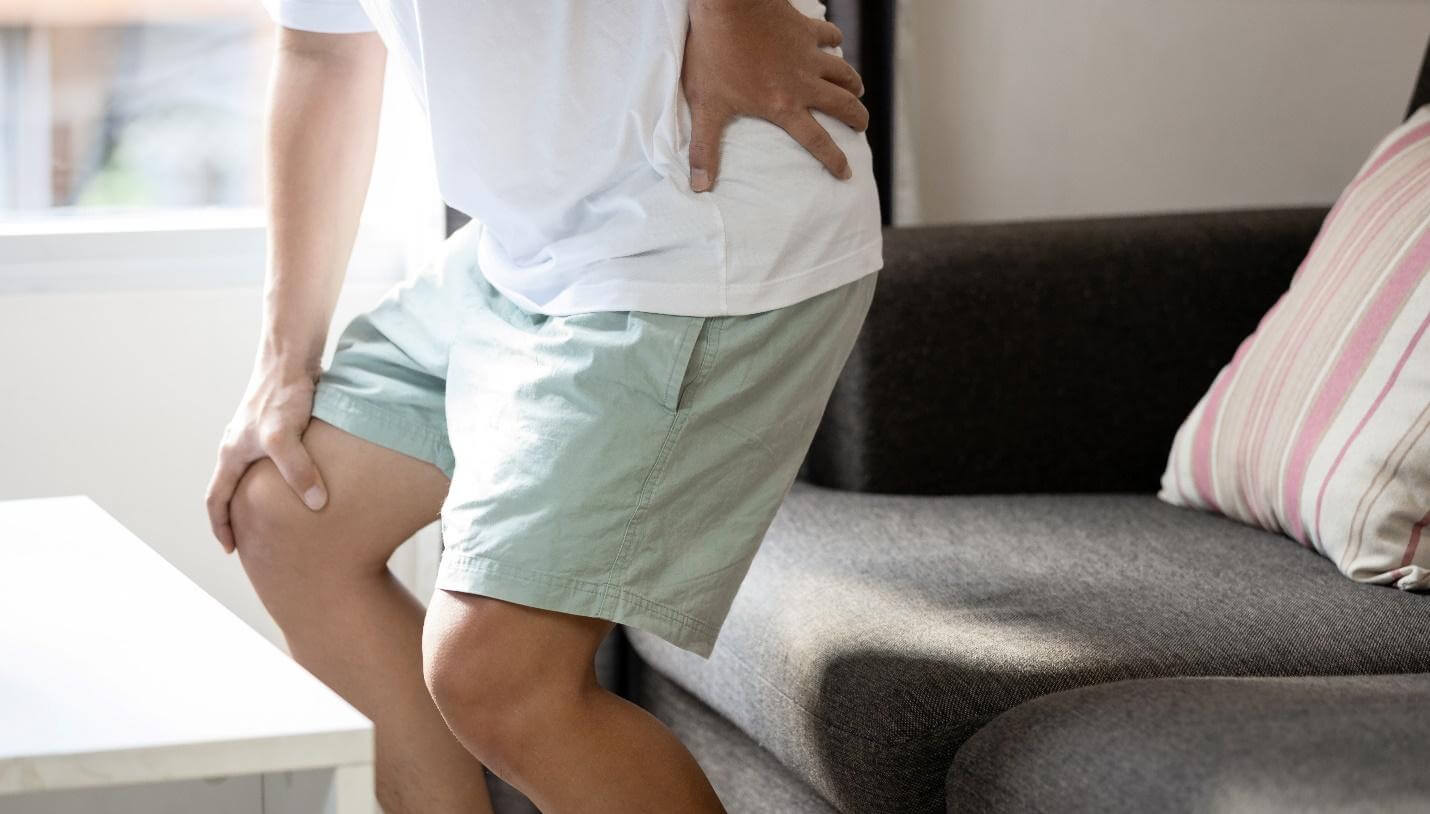
Back strain from lifting, long hours of sitting or poor posture can take a toll on the spinal discs.
Photo: Getty Images
Simple tasks – from reaching for something on the floor to lifting a heavy bag – may sometimes trigger back or neck discomfort. These aches typically fade after a few days of rest.
But when pain starts travelling down your arms or legs, or you feel tingling, numbness or unexpected weakness, it could be a sign that a nerve is being compressed by a slipped disc, says Mount Alvernia Hospital senior consultant neurosurgeon Colum Patrick Nolan.
Here, he explains more about the condition and how to manage it.
Q: What is a slipped disc, and what symptoms should I look out for?
Between each bone in your spine sits a small cushion – the intervertebral disc – made of a tougher outer ring and a soft centre. When the outer layer weakens, the soft part may bulge and press on a nearby nerve. This is known as a herniated – or slipped – disc, and can happen to adults of all ages.
While slipped discs can occur anywhere along the spine, they are most common in the lower back and neck. In the lower back, the disc can press on the nerves that form the sciatic nerve, which runs from the buttocks down the leg. This results in sciatica – a sharp, shooting pain down one leg, sometimes with numbness and a feeling of pins and needles or weakness.
In the neck, wear and tear may weaken the discs and surrounding joints. If one of these discs slips, it can irritate the nerves travelling down the arms, causing pain, tingling or weakness in the hands.
Repetitive strain, heavy lifting, long hours of poor posture, inactivity, excess weight and smoking can increase the risk of a slipped disc. Some people with a family history may also be more prone to it.
Q: Can slipped discs be reversed, and when is physiotherapy or surgery required?
Most people recover with non-surgical care within three to four months. Treatment includes medication to reduce inflammation, and physiotherapy to strengthen the core and back, improve spinal mobility and relieve pressure on the affected nerve. Acupuncture, osteopathy, chiropractic treatment, clinical pilates or yoga are also helpful. Slipped discs may recur in about 10 to 15 per cent of people, so long-term conditioning is important.
Surgery is only considered if symptoms fail to improve or worsen, or when there are concerning signs such as significant weakness, or bowel or bladder control issues.
Q: How can patients protect their spine during recovery and beyond?
It is advised to avoid workouts that may strain your back. When exercising after recovery, prioritise good form over heavy loads and warm up well. A physiotherapist can guide your progression.
Simple habits help too – lift with proper technique, maintain good posture and ensure your workspace is ergonomic. Alternating between sitting and standing can also ease strain. After surgery, most patients can walk immediately and return home in a day. Those with desk-based jobs typically take about two weeks off. Light walking is encouraged for the first six weeks, and physiotherapy for the next six. Most people are fully active again in three to four months.
Source: The Straits Times © SPH Media Limited. Permission required for reproduction.