
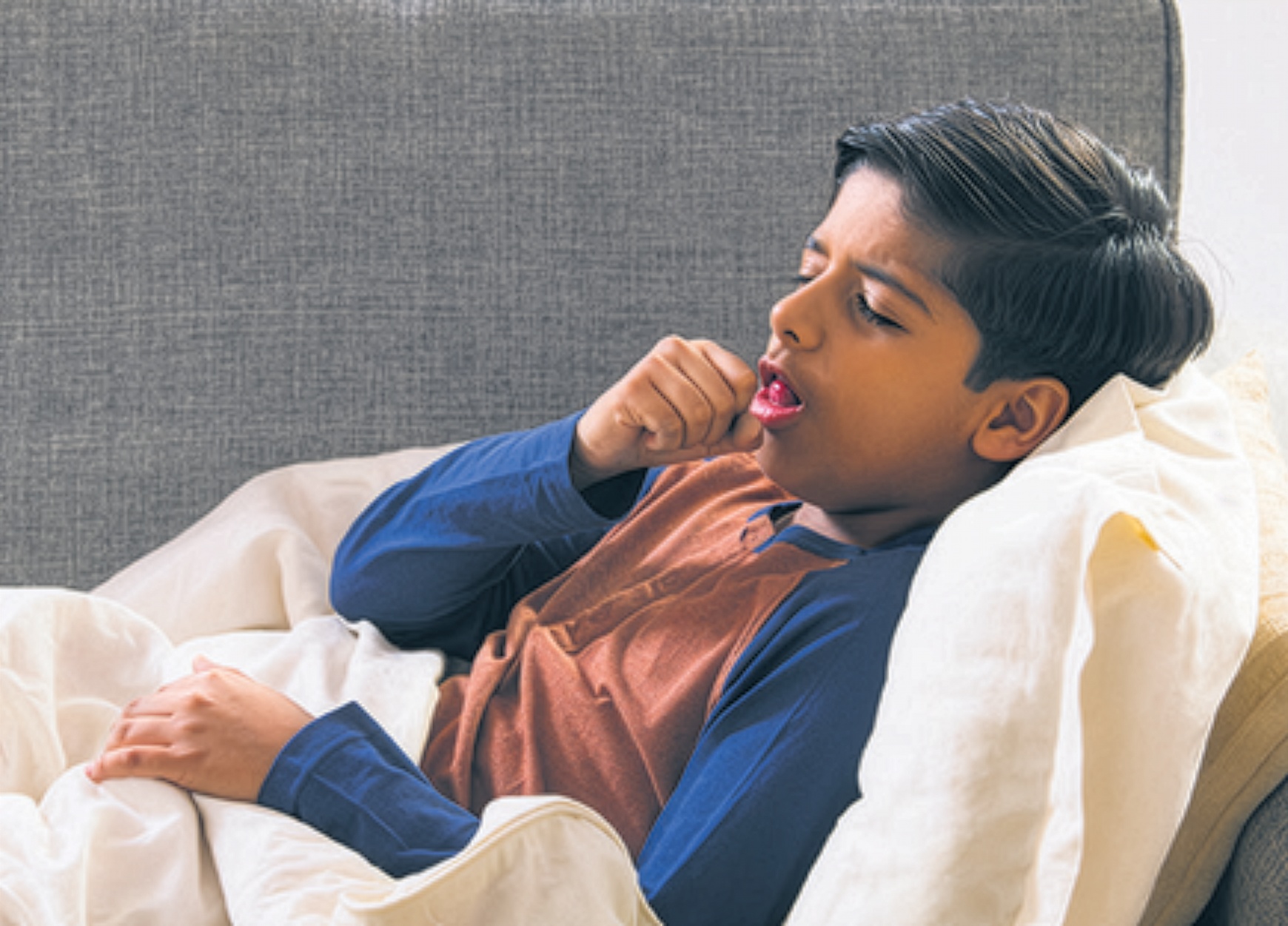
A cough that persists even after a child appears to have recovered may sometimes be caused by mycoplasma.
Photo: Getty Images
Most parents breathe a sigh of relief once their child’s fever breaks. But when the cough lingers long after everything else seems back to normal, it can be difficult to know whether it is simply part of the recovery process or something more.
While many lingering coughs are harmless, some may be caused by mycoplasma, a bacterial infection that is seen in school-aged children.
Dr Terence Tan Hwa Min, consultant paediatrician and neonatologist at Mount Alvernia Hospital Kinder Clinic, explains how to recognise the signs, when to seek medical advice and what treatment may be needed.
Q: How is mycoplasma different from a common cold in children?
Mycoplasma is a type of bacteria that commonly causes respiratory infections, particularly in school-aged children.
At first, it can look much like a viral infection, with symptoms such as fever and cough. However, unlike most viral illnesses, the cough may persist for weeks even after symptoms like fever improve. Parents should seek medical advice if a cough lasts beyond one to two weeks, gradually worsens or is accompanied by persistent fever, unusual tiredness, chest pain or difficulty breathing.
Most infections are often mild and resolve on their own. Some children, however, may develop pneumonia or, more rarely, complications affecting the skin or nervous system.
Children with underlying conditions such as asthma, chronic lung disease or weakened immune systems may also experience more severe illness.
In patients in whom the cough persists despite initial treatment, the doctor needs to reassess if further treatment is needed. In recent years, mycoplasma is becoming increasingly resistant to standard treatment and may require a different second-line antibiotic.
Q: How is mycoplasma diagnosed, and when are tests necessary?
Doctors usually begin with a medical history and physical examination. If symptoms are mild and improving, further tests are often unnecessary.
However, persistent fever, worsening cough, breathing difficulties or suspected pneumonia may require a throat or nasal swab, blood tests or a chest X-ray. Blood tests are useful to confirm mycoplasma infection.
It is worth noting that no test is perfect. A positive result does not always mean mycoplasma is the sole cause of the illness, and some children may carry the bacteria without being severely ill. Therefore, doctors interpret test results together with the child’s symptoms and examination findings.
Q: How is mycoplasma treated and are antibiotics needed?
Most children recover with rest, fluids and medicines to relieve fever or discomfort.
When antibiotics are needed, doctors may prescribe an antibiotic effective against mycoplasma, known as macrolides. However, antibiotics are not always necessary.
Parents can also help reduce the spread by encouraging good hand hygiene, teaching children to cover their mouth and nose when coughing and sneezing, avoid the sharing of drinks or utensils and keeping unwell children at home. There is currently no vaccine to prevent mycoplasma. Fortunately, most infections are mild and, with appropriate care, most children recover completely.
Source: The Straits Times © SPH Media Limited. Permission required for reproduction.