
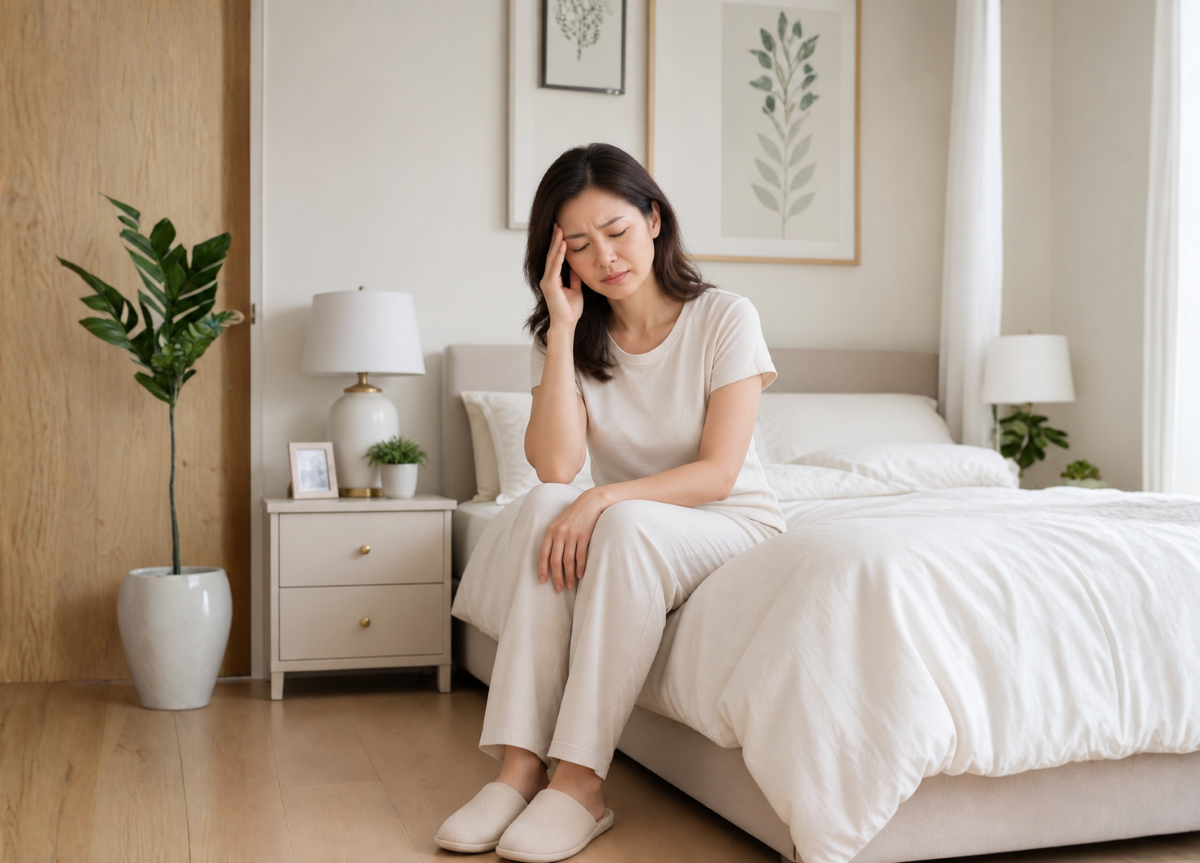
Perimenopause typically lasts about four to five years before menopause is confirmed.
Photo: Getty Images
The lead-up to menopause does not always begin with an obvious hot flush. For some women, it starts with subtler changes – disrupted sleep, fatigue, aching joints or irregular periods – during a phase called perimenopause.
As these symptoms can often be linked to stress, ageing or other health issues, they may not immediately be recognised as signs of perimenopause. More than 60 per cent of women in Singapore experience at least one significant symptom during this stage, says Mount Alvernia Hospital obstetrician and gynaecologist Chua Yang. She explains what to expect and when to seek help.
Q: What is perimenopause, and at what age does it usually start?
Perimenopause is the transition towards menopause, when the ovaries gradually produce less oestrogen and progesterone. It lasts about four to five years and continues until a woman has gone 12 consecutive months without a period, which confirms menopause. A common misconception is that menopause begins once the womb is removed. In fact, hormonal production depends on the function of the ovaries, so menopause can still occur naturally if a woman’s ovaries remain in place.
In Singapore, menopause occurs at an average age of 49. Menopause between ages 40 and 45 is considered early, while menopause before 40 is known as premature ovarian insufficiency.
Periods become irregular during perimenopause, with skipped cycles being common. However, unusually frequent, heavy or prolonged bleeding should be checked by a gynaecologist.
Q:What are the common symptoms of perimenopause?
Hot flushes may be commonly associated with menopause, but women in Singapore often report muscle and joint aches, poor sleep, exhaustion and vaginal dryness.
Other symptoms can include night sweats, low mood, irritability, anxiety and sexual difficulties. The challenge is that many of these can also be caused by stress, ageing or other health conditions, such as thyroid problems.
Hormonal changes may also make existing tendencies feel more intense. Someone who is usually anxious under pressure, for instance, may find herself feeling more overwhelmed than usual.
If symptoms are persistent or affecting daily life, it is worth seeing a family doctor or gynaecologist.
Q: What can help manage perimenopause symptoms?
Women who maintain a healthy weight, eat well and exercise regularly tend to report fewer symptoms than those who are overweight.
These habits can also matter if symptoms become severe enough to consider menopause hormone therapy, or MHT. Women who are not overweight, do not smoke and stay active generally have a lower risk of complications such as blood clots, which doctors take into account when deciding if MHT is suitable.
For those with premature ovarian insufficiency or early menopause, MHT is recommended until the natural age of menopause.
Building good lifestyle habits earlier in life can also help protect against longer-term health risks after menopause, including cardiovascular disease and osteoporosis. These risks are higher in women who reach menopause early.
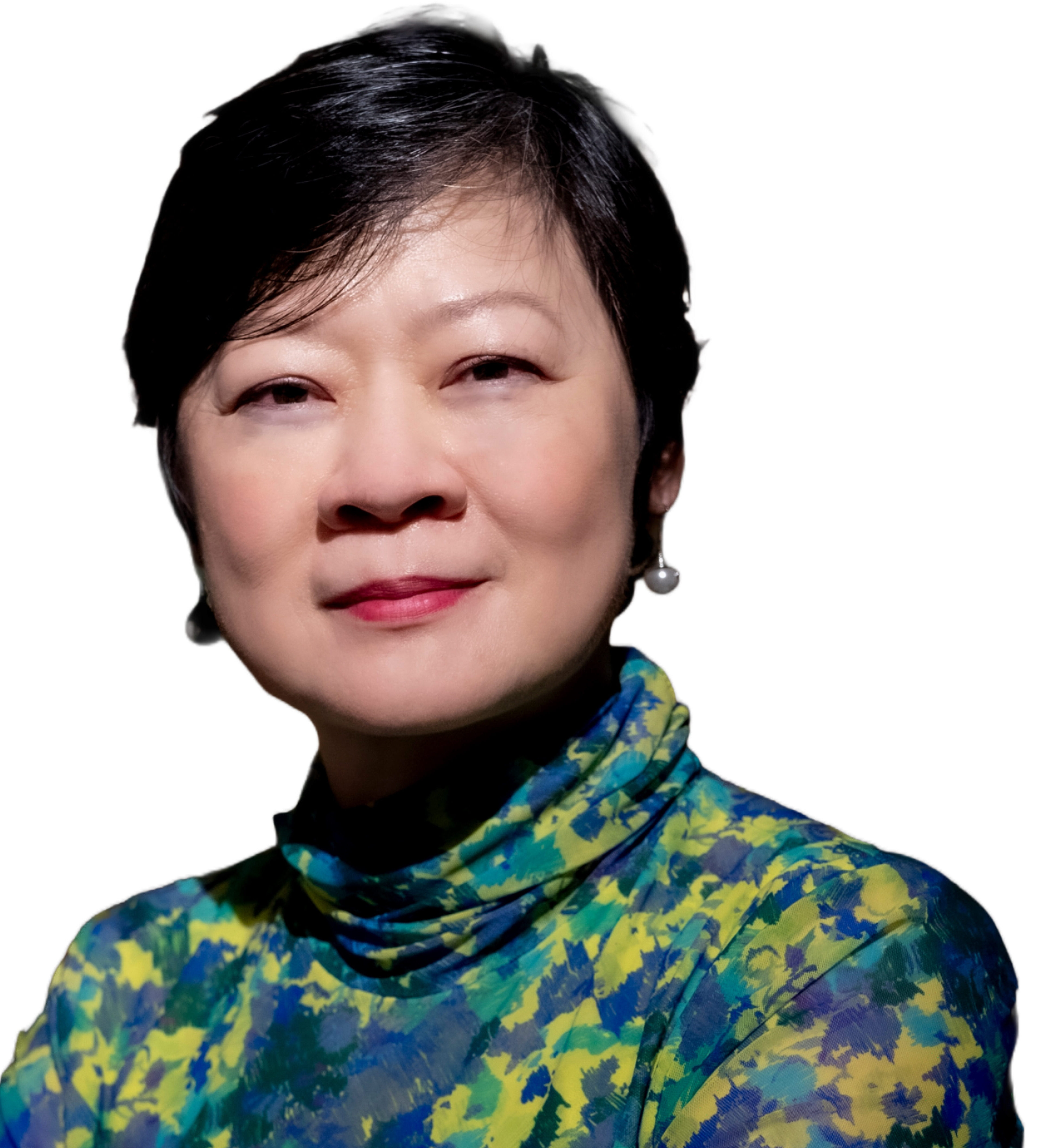 Dr Chua Yang
Obstetrician & Gynaecologist
A Clinic For Women
Medical Centre D #08-58
Mount Alvernia Hospital
Source: The Straits Times © SPH Media Limited. Permission required for reproduction.