
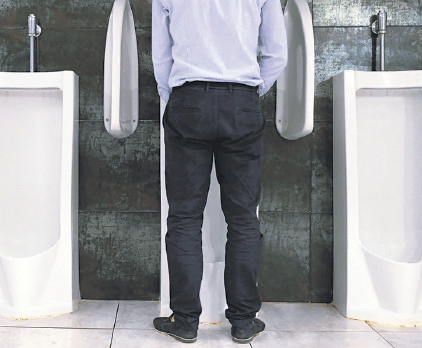
Urinary incontinence can affect sleep, skin and confidence if left untreated.
Photo: Getty Images
It is not easy for men to talk about losing control of their bladder, despite the discomfort they face. Some may laugh it off. Others may chalk it up to ageing.
While it may seem like a minor nuisance, urinary incontinence, which can affect men at any age, can sometimes signal underlying issues with the prostate, nerves or bladder muscles, says Dr Allen Sim, urologist at Mount Alvernia Hospital. Here, he explains its causes and treatment options.
Q: What causes urinary incontinence in men, and what are some lifestyle triggers?
The most common cause is prostate enlargement, which can block the flow of urine or irritate the bladder. Some men may also experience leakage after prostate surgery – especially radical prostatectomy – as the surgery can weaken the muscles that control urine flow. Urinary incontinence related to prostate issues is common in males above the age of 50.
Another cause is an overactive bladder, where the urge to urinate becomes hard to control. This may be triggered by nerve-related issues, infections or bladder irritation. Certain health conditions may also interfere with bladder function over time. Diabetes, for instance, may damage bladder nerves. Neurological disorders like stroke or Parkinson’s disease can affect the signals between the brain and bladder.
Even everyday habits – such as drinking too much caffeine or alcohol, or straining from chronic cough or constipation – could worsen the problem.
Q: What are the types of urinary incontinence in men, and how can you recognise them?
Some men may leak urine when their abdomen is under pressure, such as during a sneeze, a laugh or a heavy lift. This is known as stress incontinence and is especially common after prostate surgery. Others may experience urge incontinence, where a strong, sudden need to pee is followed by leakage. This is often linked to an overactive bladder or nerve-related causes.
Overflow incontinence happens when the bladder does not empty completely, leading to constant dribbling or the feeling of incomplete urination.
In some cases, functional incontinence occurs, not because of a bladder issue, but due to mobility or cognitive problems that make it hard to reach the toilet in time. It is also possible to have mixed incontinence, with stress and urge symptoms being the most common combination.
Q: How is urinary incontinence treated, and what happens if it is left alone?
Treatment for urinary incontinence depends on the cause and severity of the problem.
Doctors may start with conservative measures, such as timed bathroom visits, pelvic floor exercises or cutting back on bladder irritants like caffeine. Some men may benefit from medication to relax the bladder or improve urine flow.
If symptoms persist, minimally invasive procedures like urethral bulking agents or slings can offer relief. In more serious cases – such as severe leakage after prostate surgery – an artificial urinary sphincter might be recommended. Supportive options, such as absorbent products or urine collection devices, can be considered while long-term solutions are explored.
When left untreated, incontinence may lead to sleep disturbances, skin problems, social withdrawal and emotional stress, not just for the individual, but for those around them. This is why it is important to speak up early, get a clear diagnosis and explore the right options to stay comfortable and confident.

Dr Allen Sim
Urologist
Allen Sim Urology
Medical Centre A #02-03
Mount Alvernia Hospital
Source: The Straits Times © SPH Media Limited. Permission required for reproduction.