
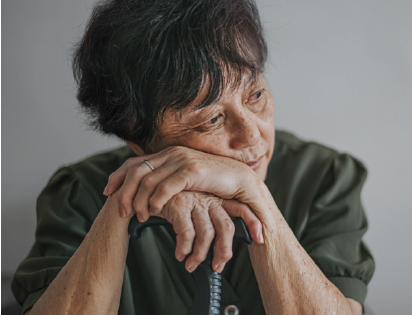
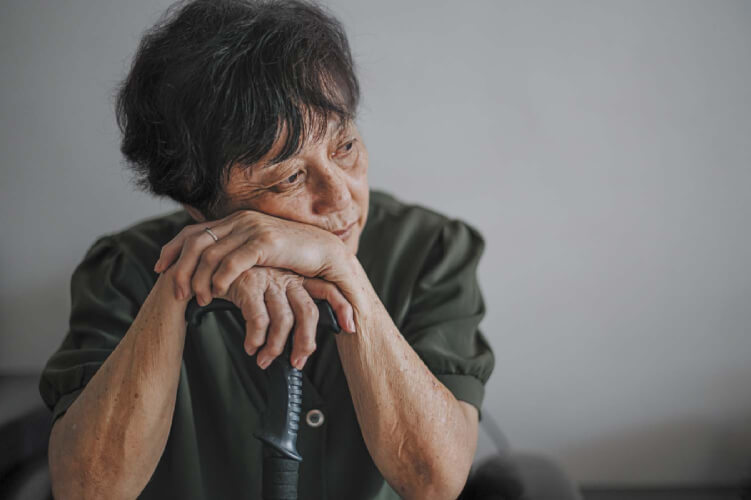
Loneliness, illness and grief can cause older adults to feel depressed.
Photo: Getty Images
If your elderly parent seems more forgetful, withdrawn or unusually tired, it may not just be age catching up with them. These could be early signs of depression – an often overlooked or misunderstood condition in older adults.
Many seniors keep their struggles to themselves because they think their feelings are not serious enough or they do not want to worry their children. Unaddressed depression in older adults can worsen their health, deepen their isolation and raise the risk of early death, says Dr Lim Wei Shyan, psychiatrist at Mount Alvernia Hospital. Here, he shares how to spot the signs and support a loved one in seeking help.
Q: What signs of depression in the elderly are often misinterpreted as normal ageing?
While mild forgetfulness or slower thinking can be part of ageing, depression often causes more sudden and pronounced changes. These include noticeable declines in memory, attention and processing speed, reduced interaction, and difficulty staying focused or holding a conversation.
Physical signs may include disrupted sleep, fatigue, poor appetite, weight loss, or vague symptoms like dizziness or stomach discomfort without a clear cause. Mood-wise, some older adults become more irritable or withdrawn. They may express feelings of hopelessness, believe their health is failing despite no evidence, or feel excessively guilty about being a burden – especially when they rely on others for care or financial support.
Q: What are some common triggers of depression in the elderly?
Older adults face a range of challenges that increase their risk of depression. These can include living with chronic health conditions such as diabetes, heart disease or arthritis. Ongoing symptoms like pain, breathlessness or poor sleep can wear down mental resilience. Life-altering events – such as a stroke that limits independence – can also have a major emotional impact.
Transitioning into retirement or a quieter lifestyle may also leave some feeling adrift. This stage of life also often comes with grief, including the loss of a spouse, close friends or cherished roles.
Social isolation is another key trigger. Reduced mobility, shrinking social circles or living alone can limit contact with others and deepen loneliness, further compounding the emotional toll.
Q: How to support an elderly loved one who may be depressed?
Start by raising your concerns gently by mentioning specific changes you have noticed – such as poor sleep, low energy or social withdrawal – and invite them to share how they have been feeling.
Offer reassurance that you are there to support them. If they are not ready to speak to a mental health professional, suggest someone they trust, like their family doctor or a counsellor.
At home, help them maintain small daily routines and encourage social interaction – whether through short visits, regular phone calls or light shared activities. If symptoms persist or begin to affect their ability to function, seek professional help. Treatments such as psychotherapy or medication can be effective when started early.
Source: The Straits Times © SPH Media Limited. Permission required for reproduction.